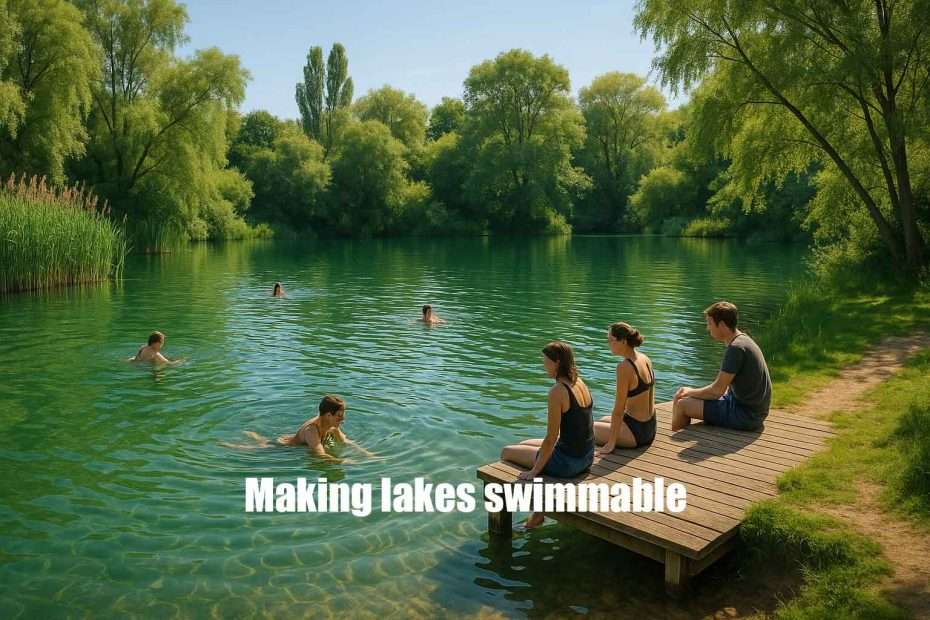
Making lakes swimmable
Making lakes swimmable Natural recovery plans for UK bathing waters Public interest in the quality of the UK’s bathing waters has never been higher. Inland lakes and rivers are seeing unprecedented use for swimming, paddling,…


Making lakes swimmable Natural recovery plans for UK bathing waters Public interest in the quality of the UK’s bathing waters has never been higher. Inland lakes and rivers are seeing unprecedented use for swimming, paddling,…
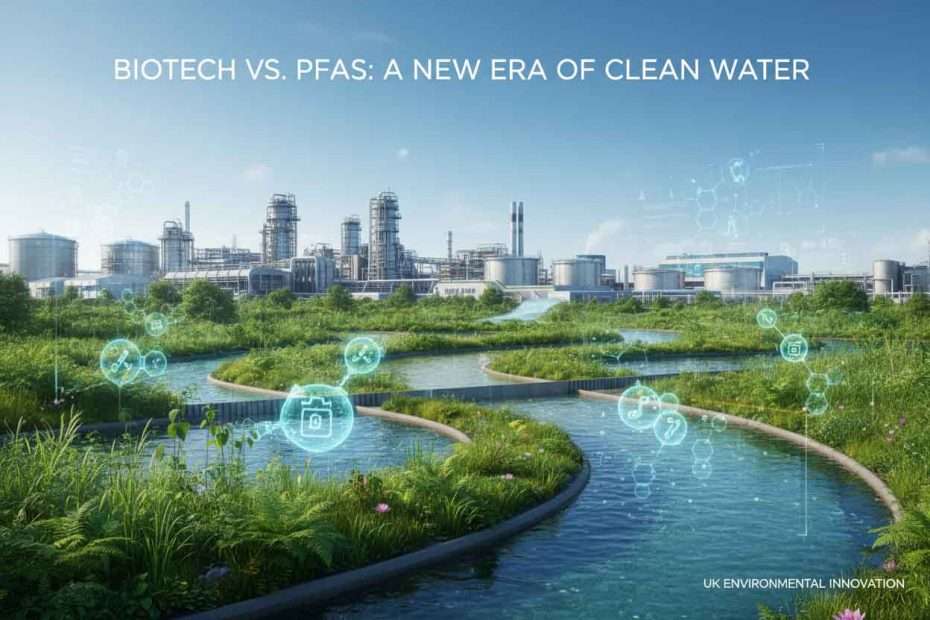
Tackling forever chemicals Enzyme strategies for PFAS hotspots Per‑ and polyfluoroalkyl substances (PFAS) are an environmental challenge that has steadily shifted from scientific discourse into boardrooms, council chambers and community meetings. Their unusual chemistry—defining persistence,…

Enzymes for Cleaner Rivers Cutting Sewage Pollution with Nature-Based Technology Executive Summary The United Kingdom has committed to halving sewage pollution by 2030, with the introduction of “Open Monitoring” designed to give the public transparent…
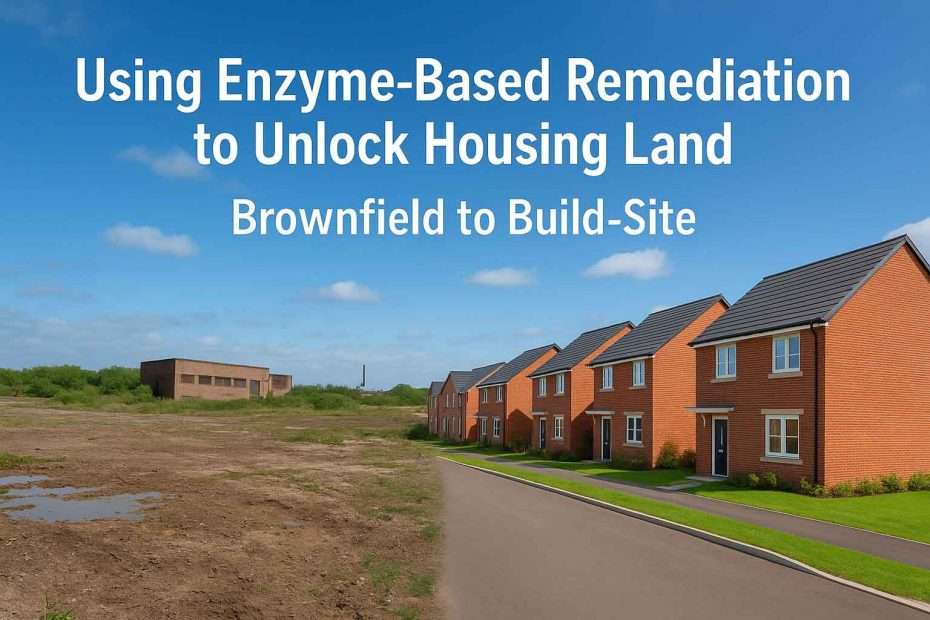
Using Enzyme-Based Remediation to Unlock Housing Land Brownfield to Build-Site Introduction Across the United Kingdom, the housing crisis continues to dominate political debate and local planning discussions. Everywhere from London and Manchester to smaller towns,…
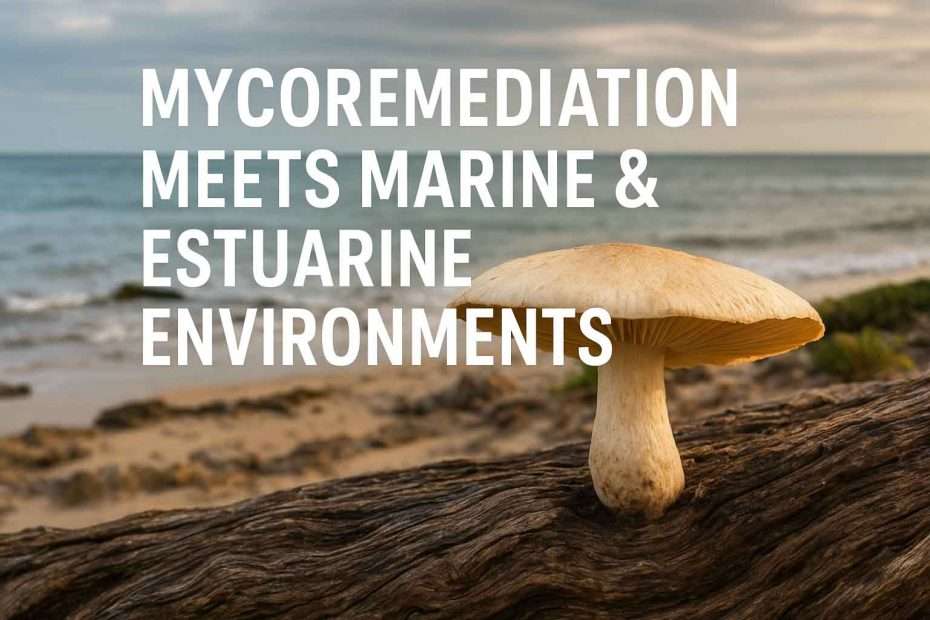
Mycoremediation Meets Marine & Estuarine Environments Fungal Solutions for Saline Pollution Introduction The world’s coastlines are the living edge of our planet — where land, sea, and human industry converge. They are the breathing margins…
Enzyme-Catalysed Remediation of PFAS and Other ‘Forever Chemicals’ Summary Per- and Polyfluoroalkyl Substances (PFAS), often known as “forever chemicals,” represent one of the most persistent and problematic groups of pollutants ever released into the environment.…
Rivers Under Pressure: Enzyme Remediation of Polluted UK Rivers Introduction Across the United Kingdom, rivers have long played a vital role in shaping our landscapes, supporting wildlife, supplying drinking water, driving industry, and providing places…
How Grasses Can Heal Damaged Soil Naturally When you look at a patch of bare, compacted, or oil-stained land, it’s easy to feel as though it’s beyond saving. Soil that once supported life can become…
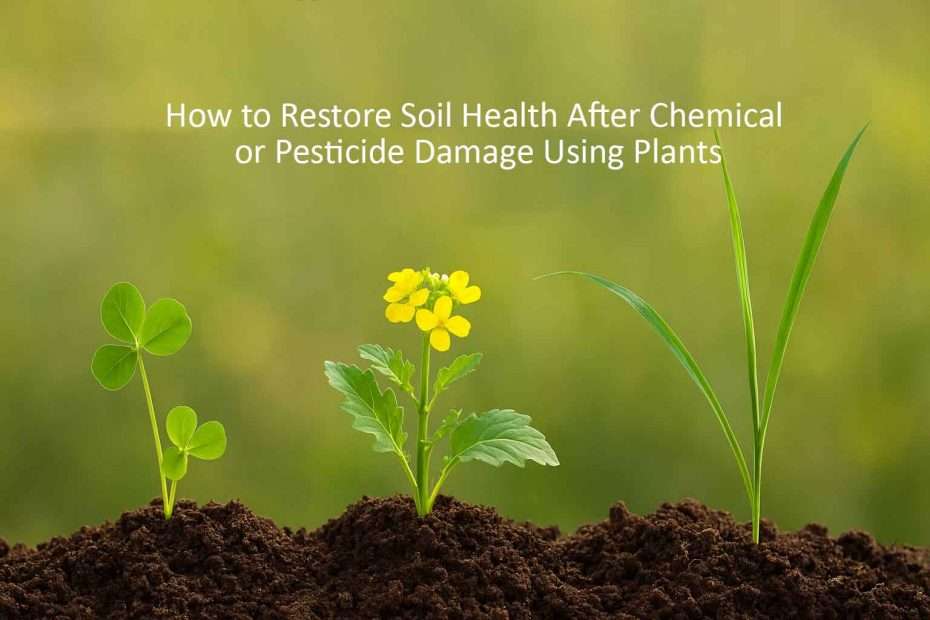
How to Restore Soil Health After Chemical or Pesticide Damage Using Plants When soil has been exposed to chemical treatments, pesticides or synthetic fertilisers over time, it gradually loses the living ecosystem that once made…
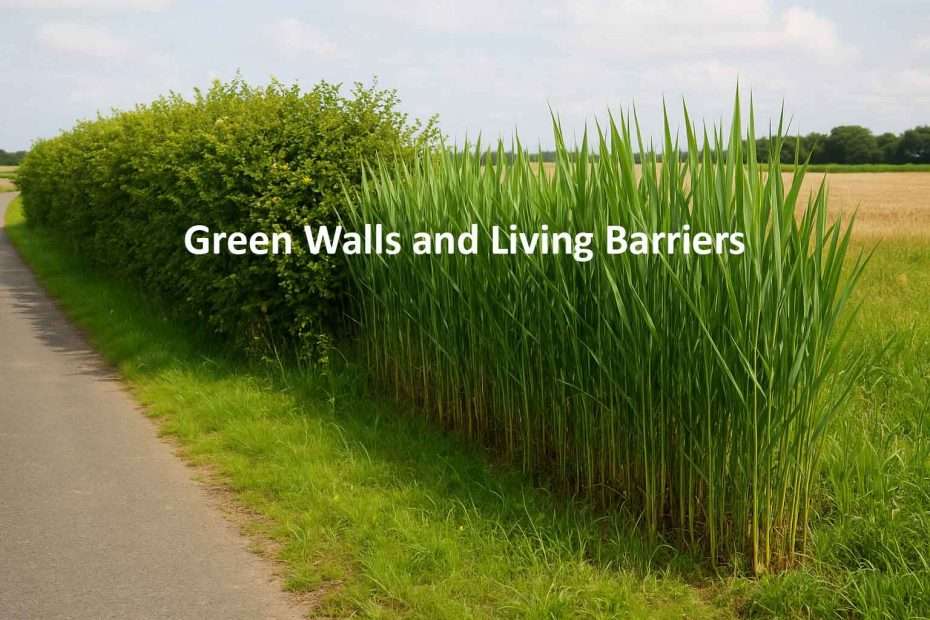
Green Walls and Living Barriers How Plants Can Filter Pollution Before It Spreads Pollution rarely arrives all at once. More often, it creeps — seeping through soil, trickling across driveways, running off fields and roads…