

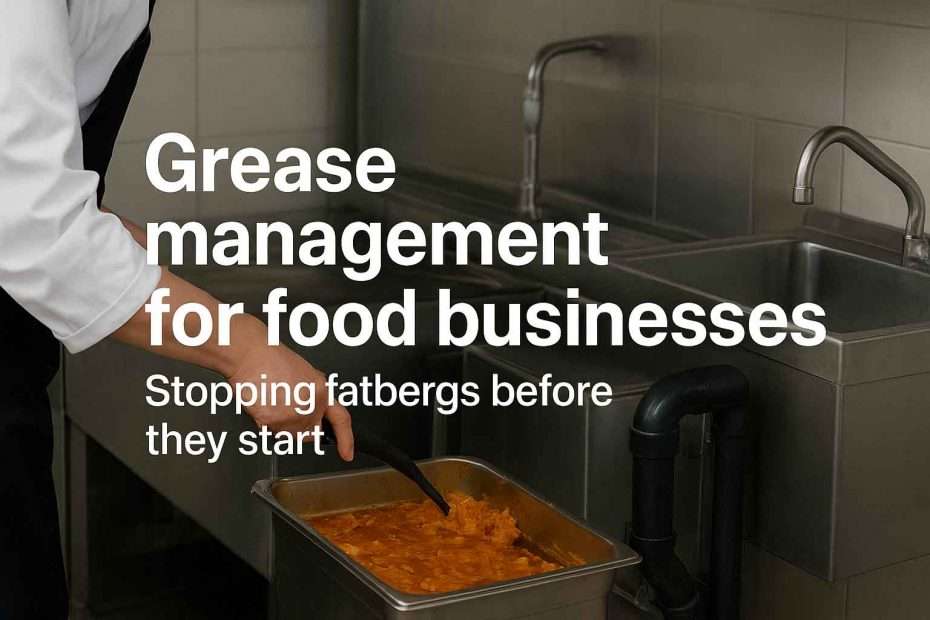
Grease Management for Food Businesses
Stopping Fatbergs Before They Start
Summary:
In the United Kingdom, water companies and regulators are increasingly focused on the fats, oils, and grease (FOG) that enter the sewer network from restaurants, commercial kitchens, and other food businesses. This article provides a straightforward guide for food-business owners and kitchen managers on how to manage grease effectively: enzyme dosing for interceptors, routine maintenance, compliance documentation, and methods for avoiding costly blockages, commonly known as “fatbergs”. It also highlights how BioGlobe’s organic enzyme solutions can remediate the problem safely and sustainably, without harming the surrounding ecosystem.
Introduction
Every day, thousands of food businesses across the UK produce large quantities of cooking fats, oils, and grease. From deep fryers in fast-food kitchens to large-scale catering operations in hotels and event venues, these substances are an unavoidable by-product of preparing meals. If left unchecked, FOG can enter drains, build up over time, and lead to serious problems both for the kitchen itself and the public sewer network.
Recent trends in water company enforcement show that fat, oil, and grease issues are a priority. Kitchens that fail to manage FOG effectively are at risk of blocked drains, expensive cleaning bills, fines, and, in extreme cases, closure. This guide translates these trends into practical steps that restaurants and commercial kitchens can follow to keep their drains clear, stay compliant, and protect the environment.
With the right approach, FOG management doesn’t need to be complicated. By combining routine maintenance, good practices, and advanced organic enzyme solutions, kitchens can manage grease efficiently while remaining environmentally responsible.
Problem
What Is Fats, Oils, and Grease (FOG)?
FOG is a collective term for the by-products of cooking that include:
- Animal fats such as lard or dripping
- Vegetable oils from frying and salad dressings
- Cooking oils that have been used in fryers and pans
- Food residues that combine with grease in drainage systems
When FOG enters drains, it behaves differently to normal wastewater. Unlike water, it does not flow easily through the drainage system. Instead, fats cool, solidify, and stick to the walls of pipes. Over time, these deposits accumulate and can trap other solids, such as wet wipes, food scraps, and other debris, forming large blockages known as “fatbergs”.
A fatberg is essentially a solid mass of congealed fat, oil, grease, and debris. Fatbergs can be enormous, sometimes weighing several tonnes, stretching for tens or even hundreds of metres, and causing serious disruption to sewer systems. In the UK, fatbergs have made national headlines for their size and the costly operations required to remove them.
Why FOG Is a Problem in Kitchens
FOG is a problem for several reasons:
- Drain Blockages: As fats cool and solidify in pipes, they restrict water flow, leading to slow-draining sinks, overflows, and kitchen flooding.
- Odour: Accumulated grease in pipes can cause unpleasant smells that affect staff, customers, and neighbouring businesses.
- Increased Maintenance Costs: Kitchens with high FOG output may need frequent interceptor cleaning and drain clearing, adding to operational costs.
- Legal Enforcement: UK water companies issue guidance and can take enforcement action against food businesses that allow excessive FOG to enter the sewer network. Fines and legal notices are increasingly common.
- Environmental Impact: Fatbergs and excess grease can damage ecosystems when they reach watercourses, harming wildlife and polluting rivers.
FOG is not just an operational inconvenience; it can also be a reputational and financial threat to food businesses.
Consequences
The consequences of poor FOG management are extensive, affecting not only the kitchen but the wider community.
1. Operational Disruption
Blocked drains and interceptor overflow can halt kitchen operations. A single blocked drain can force staff to cease dishwashing, disrupt food preparation, and lead to health and safety hazards.
For example, a small restaurant might face a situation where its main sink is blocked with congealed grease. The staff may have to hand-wash dishes or even temporarily close until the blockage is cleared. For larger commercial kitchens, the impact can be even more severe, potentially affecting multiple outlets if they share the same sewer connection.
2. Financial Penalties
Water companies are increasingly proactive in monitoring FOG discharges. Failure to comply with grease management guidelines can result in:
- Fines for non-compliance
- Enforcement notices requiring immediate corrective action
- Costs associated with unscheduled maintenance, drain clearing, and interceptor cleaning
In some cases, repeated violations may lead to temporary closure until the business can demonstrate that proper FOG management measures are in place. These costs, combined with operational disruption, can be significant.
3. Health and Safety Risks
Grease accumulation creates slippery surfaces, odour problems, and in severe cases, flooding that can lead to slips and falls. Additionally, if blocked drains cause wastewater to back up, there is a risk of contamination and bacterial growth, posing a health hazard to staff and customers.
4. Environmental Harm
When FOG is discharged into the sewer system, it can ultimately reach rivers, lakes, and other watercourses. Fatbergs and grease deposits disrupt sewage treatment processes and can lead to environmental pollution. This not only harms aquatic life but can also attract public criticism and scrutiny of the food business involved.
Solution
Effective FOG management requires a combination of physical infrastructure, operational procedures, and chemical or biological treatment.
Step 1: Enzyme Dosing for Interceptors
A grease interceptor is designed to capture FOG before it enters the main sewer. However, simply installing an interceptor is not enough. Regular dosing with an enzyme solution can help break down FOG naturally, preventing solid build-up.
Benefits of enzyme dosing:
- Enzymes break down fats, oils, and grease at the molecular level, reducing the risk of accumulation in pipes and interceptors.
- Organic enzyme solutions, such as those provided by BioGlobe, are biodegradable and safe for ecosystems.
- Customised enzyme blends can target specific types of grease, food residues, and other organic pollutants, maximising effectiveness.
Enzyme dosing should be scheduled according to the kitchen’s output and the volume of the interceptor. Small kitchens may need daily dosing, whereas larger operations might require multiple doses throughout the day.
Step 2: Regular Maintenance Routines
Routine maintenance is critical to preventing FOG build-up. Key practices include:
- Regular Cleaning: Remove accumulated grease from interceptor lids, baffles, and sumps.
- Inspection: Check for blockages, leaks, or damaged components.
- Staff Training: Educate kitchen staff on scraping plates, collecting used cooking oil, and preventing FOG from entering drains.
- Record-Keeping: Maintain logs of maintenance activities, enzyme dosing, and interceptor inspections to demonstrate compliance with regulatory guidance.
Step 3: Compliance Documentation
Proper documentation is essential in demonstrating proactive FOG management to regulators. Records should include:
- Dates and volumes of enzyme dosing
- Cleaning schedules for interceptors
- Maintenance inspections and findings
- Staff training logs and procedures
These records can be invaluable during regulatory inspections or in the event of enforcement actions. They also support a culture of accountability and good housekeeping within the kitchen.
Step 4: Good Operational Practices
In addition to enzyme dosing and maintenance, food businesses should adopt operational practices that minimise FOG production:
- Scrape, Don’t Wash: Encourage staff to scrape plates, pans, and cooking utensils before washing.
- Proper Oil Disposal: Collect and recycle used cooking oils instead of pouring them down sinks.
- Temperature Control: Avoid pouring hot oil directly into sinks, as this can solidify and cause pipe blockage.
- Segregation of Waste: Keep FOG separate from general wastewater where possible to enhance the effectiveness of interceptors and enzyme dosing.
By combining good operational practices with enzyme treatment, kitchens can manage grease efficiently and sustainably.
How BioGlobe Helps
BioGlobe specialises in organic enzyme solutions that provide a safe, environmentally friendly method of grease management. Here is how BioGlobe supports food businesses:
- Bespoke Enzyme Formulations: BioGlobe analyses the specific pollutants present in a kitchen and creates customised enzyme blends for maximum efficacy. Whether the challenge is animal fats, vegetable oils, or complex food residues, BioGlobe provides a tailored solution.
- Eco-Safe Approach: The enzymes are plant-based and biodegradable, ensuring no harm to ecosystems. Unlike harsh chemicals, BioGlobe’s products break down naturally into amino acids, making them safe for watercourses, wildlife, and human use.
- Optimised Dosing: BioGlobe advises on the correct dosing schedule for your kitchen, ensuring FOG is continuously broken down without unnecessary waste.
- Supporting Compliance: By providing a scientifically backed and environmentally responsible solution, BioGlobe helps food businesses demonstrate proactive management to regulators and maintain a clear record of compliance.
- Maintenance Integration: BioGlobe’s enzyme solutions complement routine cleaning and interceptor maintenance. They reduce the severity of blockages, making cleaning easier and less frequent, while also providing long-term protection against fatberg formation.
By integrating BioGlobe’s enzyme solutions into their operations, food businesses can protect their drains, stay compliant, reduce maintenance costs, and contribute positively to environmental sustainability.
FAQs
- What is a grease interceptor and why do I need one?
A grease interceptor is a device installed in kitchen drainage systems that captures fats, oils, and grease before they enter the public sewer. It prevents blockages, reduces odour, and protects the environment. - How often should I dose enzymes and clean the interceptor?
The frequency depends on kitchen size, volume of FOG produced, and local regulations. Small kitchens may dose daily, while larger operations may need multiple doses. Interceptors should be inspected weekly and cleaned at least monthly. - Can enzyme solutions replace mechanical cleaning of the trap/interceptor?
No. Enzyme solutions complement mechanical cleaning. Regular cleaning remains essential to remove accumulated grease and debris. Enzymes reduce build-up and make cleaning more effective. - Are enzyme solutions safe for the environment and compliant with regulations?
Yes. BioGlobe’s enzyme solutions are plant-based, biodegradable, and safe for aquatic life. Using enzymes supports environmental compliance and reduces chemical use in kitchens. - What happens if I ignore FOG management?
Poor FOG management can lead to blocked drains, odours, high maintenance costs, fines, and even business closure. It also contributes to environmental damage, including the formation of large fatbergs in public sewers.
Conclusion
Grease management is a critical responsibility for all food businesses. By understanding the problem, recognising the consequences, and implementing effective solutions, kitchens can protect themselves, their staff, and the wider community.
BioGlobe’s organic enzyme solutions provide a safe, effective, and environmentally friendly way to prevent FOG build-up, support compliance, and reduce operational disruption. Combined with routine maintenance and good kitchen practices, enzyme dosing can stop fatbergs before they start, ensuring smooth operations, regulatory peace of mind, and a positive environmental impact.
Bioglobe offer Organic Enzyme pollution remediation for major oil-spills, oceans and coastal waters, marinas and inland water, sewage and nitrate remediation and agriculture and brown-field sites, throughout the UK and Europe.
We have created our own Enzyme based bioremediation in our own laboratory in Cyprus and we are able to create bespoke variants for maximum efficacy.
Our team are able to identify the pollution, we then assess the problem, conduct site tests and send samples to our lab where we can create a bespoke variant, we then conduct a pilot test and proceed from there.
Our Enzyme solutions are available around the world, remediation pollution organically without any harm to the ecosystem.
For further information:
BioGlobe LTD (UK),
Phone: +44(0) 116 4736303| Email: info@bioglobe.co.uk