

Remediating Lake Windermere
Solutions for the remediation of the waters in the Lake District
Lake Windermere, nestled in the heart of the Lake District National Park, is more than just a picturesque body of water—it’s a symbol of England’s natural beauty, a haven for wildlife, and a vital part of the local economy. Stretching over 10 miles long and up to a mile wide, it’s the largest natural lake in England, attracting millions of visitors each year for boating, swimming, and simply soaking in the stunning scenery. But beneath its serene surface, Windermere faces a growing crisis: pollution, particularly from sewage and excess nutrients like phosphorus. This has led to harmful algal blooms, murky waters, and concerns about the lake’s long-term health.
For ordinary people like you and me—families picnicking by the shore, anglers casting lines, or hikers enjoying the views—this pollution isn’t just an environmental headline; it’s a real threat to the places we love. The good news is that there’s hope on the horizon. Through a combination of infrastructure upgrades, ambitious long-term plans, nature-based solutions, community action, and regulatory changes, efforts are underway to restore Windermere to its former glory. This article explores these practical approaches in a balanced way, drawing on the latest evidence from 2025 and early 2026. We’ll look at the challenges, including persistent phosphorus pollution, algal blooms, and the impacts of climate change, while highlighting how innovative, organic methods—like those from companies such as Bioglobe—could play a key role in the recovery.
Understanding the Pollution Crisis in Windermere
To grasp why remediation is so urgent, let’s start with the basics. Windermere’s pollution stems largely from human activities in its vast catchment area, which spans about 60,170 acres of farmland, towns, and countryside. The main culprits are sewage discharges—both treated and untreated—from wastewater treatment works operated by United Utilities, as well as runoff from agriculture and private septic systems.
In 2025, new data revealed that sewage pollution in Windermere is not only persistent but, in some cases, worsening. United Utilities reported the third-highest number of pollution incidents in the sector for 2024, with 68 incidents in the Windermere area alone. Between 2020 and 2024, the lake endured 33,410 hours of untreated sewage spills, all flowing directly into its waters. Even treated sewage contributes significantly, with over 50 billion litres discharged into the lake since 2017. These discharges introduce high levels of phosphorus, a nutrient that fuels algal growth.
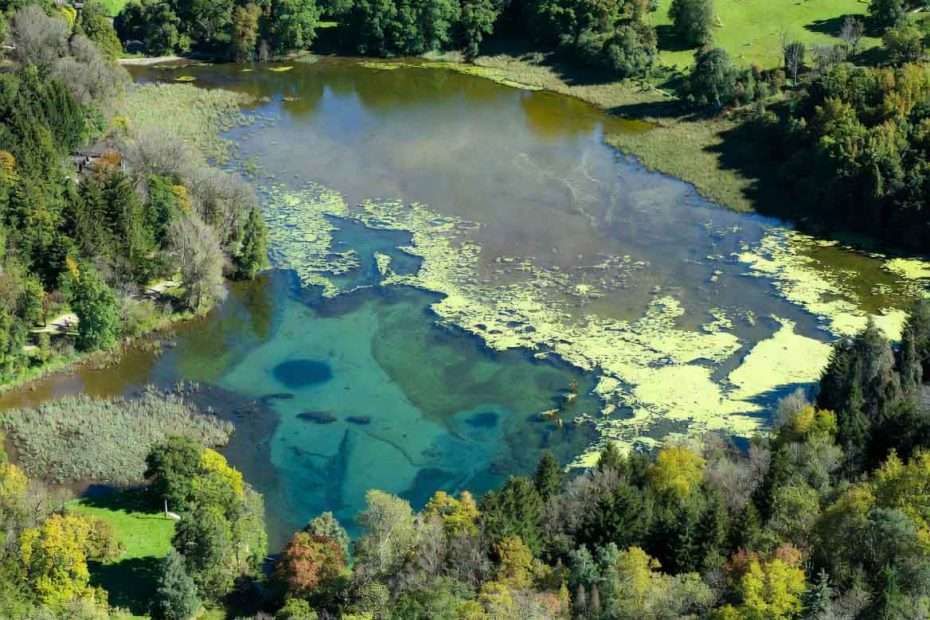
Algal blooms, often blue-green in colour, have become a familiar sight in recent summers. These aren’t just unsightly; they’re toxic. In 2024, illegal sewage dumping for 140 days was linked to severe blue-green algae issues. A major survey in August 2025 found that most of Windermere was polluted with sewage bacteria, with poor bathing water quality peaking during the busy summer months when visitors flock to the lake. Levels of E. coli and intestinal enterococci—indicators of sewage—were alarmingly high year-round.
Climate change exacerbates these problems. Warmer temperatures and erratic rainfall patterns promote algal growth and increase runoff, carrying more pollutants into the lake. Dry springs, like in 2025, raised fears of major discharges causing fish kills due to low water flows. Without action, these challenges could turn Windermere from a thriving ecosystem into a degraded one, affecting everything from biodiversity to tourism.
Immediate Infrastructure Upgrades: Plugging the Leaks
One of the most straightforward ways to tackle Windermere’s pollution is through upgrading the existing infrastructure that handles wastewater. United Utilities, the water company responsible for the region, has committed to a £200 million investment programme from 2025 to 2030. This includes enhancements to nine out of ten wastewater treatment works in the catchment, such as those at Ambleside, Grasmere, Langdale, and Hawkshead. The upgrades focus on better phosphorus removal, reducing ammonia and suspended solids, and adding storage to prevent overflows during heavy rain.
Already, there’s progress: spill durations have dropped by 28% in recent years, and the company aims to limit key storm overflows to just 10 spills per year by 2030, with further cuts by 2035. Full monitoring of overflows ensures transparency, and initiatives like “first-time sewerage” allow property owners to connect to public systems under the Water Industry Act 1991, reducing reliance on private septic tanks that often leak phosphorus.
These upgrades are immediate and practical, providing quick wins. For everyday people, this means cleaner waters sooner, making swimming and boating safer. However, they’re not a complete fix—treated sewage still enters the lake, contributing to nutrient buildup.
Long-Term Ambitions: A Sewage-Free Future
Looking further ahead, the vision is bolder: ensuring only rainwater enters Windermere. In March 2025, the UK Government, under Environment Secretary Steve Reed, pledged to eliminate all sewage discharges into the lake. This “long-term ambition” has gained momentum, with a feasibility study launched in 2025 involving a coalition of stakeholders, including United Utilities, the Environment Agency, Ofwat, Save Windermere, Love Windermere, the Lake District National Park Authority, and Westmorland & Furness Council.
The study, due for completion in July 2026, will outline engineered solutions, economic appraisals, and environmental benefits to remove both sewage and highways runoff entirely. Inspiration comes from global successes, like Lake Annecy in France, where diverting sewage led to a dramatic recovery in water quality. If implemented, this could transform Windermere, ending the cycle of pollution that has plagued it for decades.
Challenges remain—funding, technical hurdles, and the scale of re-plumbing the catchment—but the alignment of government, regulators, and campaigners marks a breakthrough. For locals and visitors, this means a lake that’s truly sustainable, preserving its beauty for generations.
Nature-Based Solutions: Working with the Environment
Not all solutions involve concrete and pipes; many harness nature itself. The Love Windermere Partnership’s 2025-2027 Action Plan, a 33-point strategy developed with scientists from Lancaster University and the UK Centre for Ecology and Hydrology, emphasises catchment-wide approaches to reduce phosphorus from wastewater, overflows, and rural runoff.
Key elements include collaborating with farmers and landowners on best practices, such as improved fertiliser use and soil management to minimise nutrient leaching. Natural flood management techniques, like creating riparian woodlands and wetlands through projects like Revere, help filter pollutants before they reach the lake. These “green” solutions not only trap phosphorus but also enhance biodiversity, providing habitats for birds, insects, and fish.
Upland habitat restoration is another focus, rebuilding peat bogs and meadows to slow water flow and reduce erosion. These methods are cost-effective and resilient to climate change, as they adapt naturally to warmer, wetter conditions. For ordinary people, this translates to healthier rivers feeding the lake, clearer waters, and more wildlife to enjoy.
Community Involvement: Power to the People
Remediation isn’t just top-down; communities are at the heart of it. The Save Windermere campaign has been instrumental, with 2025 hailed as a “breakthrough year” for exposing issues and pushing for change. Public pressure led to permit reviews, increased tankering of sewage (up 171%), and regular compliance checks.
Citizen science plays a big role too. The Big Windermere Survey in summer 2025 involved over 1,000 samples from volunteers, revealing bacterial hotspots and contradicting official “excellent” ratings at designated bathing sites. Tools for reporting pollution incidents empower locals to hold companies accountable.
Workshops, public meetings—like one in November 2025 discussing legal action against pollution—and partnerships with groups like the South Cumbria Rivers Trust foster involvement. For everyday folk, this means feeling part of the solution, whether by maintaining septic tanks or joining clean-up events.
Regulatory Measures: Enforcing Change
Strong regulations underpin these efforts. The Environment Agency monitored 66 sites in 2025, using live sensors for oxygen, temperature, and other indicators. Enhanced inspections and permit reviews ensure compliance, with calls for tighter limits on discharges—such as ammonia, where 70% of samples at one site exceeded safe levels in 2025.
New laws could make certain discharges criminal offences, deterring violations. The government’s vow to “clean up Windermere” includes addressing private sewage, with pilots for connections and bolt-on technologies. These measures provide the framework for accountability, ensuring investments deliver results.
Innovative Organic Solutions: The Role of Bioglobe
Amid these approaches, innovative bioremediation offers a promising, eco-friendly complement. Bioremediation uses natural processes, like enzymes and microbes, to break down pollutants. Enzymes—proteins that act as catalysts—can target sewage, phosphorus, and organics without harming the ecosystem. In lakes, they reduce BOD (biological oxygen demand) and COD (chemical oxygen demand), curb algal blooms, and remediate nutrients.
Companies like Bioglobe, with their Organic Enzyme Remediation solutions developed in a lab in Cyprus, specialise in this. They analyse pollutants and create bespoke enzyme variants for maximum efficacy. Their plant-based enzymes are fast-acting and safe for aquatic life, degrading into harmless amino acids. Examples include treating sewage to lower nutrient discharge, removing algae, and remediating oil or waste in water bodies.
Here’s how Bioglobe can help remediate Windermere’s issues organically and without adverse effects:
Problem**
Excess sewage and phosphorus entering Windermere from treatment works, overflows, and runoff fuel algal blooms and bacterial pollution. Treated sewage alone adds billions of litres annually, while untreated spills occur frequently, introducing nutrients that disrupt the lake’s balance.
Consequences
This leads to toxic algal blooms that harm fish, birds, and plants, reduce oxygen levels, and make the water unsafe for swimming or recreation. Bacterial contamination poses health risks, like gastrointestinal illnesses, and damages tourism—Windermere’s economic lifeline. Climate change worsens blooms, threatening biodiversity and the lake’s UNESCO World Heritage status.
Solution
Bioglobe’s organic enzyme solutions can be deployed to break down sewage organics, phosphorus, and algae naturally. Their bespoke blends, tailored via lab analysis, reduce BOD/COD in wastewater before discharge, preventing nutrient buildup. Plant-based enzymes work quickly in the lake, safely removing algae and pollutants without chemicals—degrading into amino acids that nourish the ecosystem. This integrates with existing upgrades, offering a non-toxic boost to remediation, as seen in applications for polluted lakes, sewage works, and nutrient-rich waters. No adverse effects occur, as enzymes are biodegradable and enhance water quality for fish and wildlife.
Integrating such solutions could accelerate recovery, especially for persistent phosphorus, which has declined 30% since 2020 but still poses risks.
Addressing Ongoing Challenges
Despite progress, challenges persist. Phosphorus levels, while down from the 1990s, remain high enough for blooms. Climate change brings warmer waters and intense storms, increasing runoff and bloom risks. Private systems—over 1,900 in the catchment—contribute unchecked pollution.
A balanced approach acknowledges these: combining upgrades with nature-based methods builds resilience. Evidence from the “Changing Windermere” report stresses urgent action against climate threats.
Looking Ahead: A Brighter Future for Windermere
Remediating Lake Windermere is a multi-faceted endeavour, blending immediate fixes, long-term visions, natural ingenuity, community spirit, and firm regulations. With investments flowing, studies progressing, and innovations like Bioglobe’s enzymes on offer, there’s real momentum. For ordinary people, this means reclaiming a beloved spot—cleaner, safer, and teeming with life.
Yet, success depends on sustained effort. By supporting campaigns, reporting issues, and embracing sustainable practices, we all play a part. Windermere’s story could inspire other lakes, proving that with collaboration, even deep-rooted pollution can be overcome.
Frequently Asked Questions (FAQs)
1. **What causes pollution in Lake Windermere?**
Pollution in Lake Windermere is mainly from sewage discharges (treated and untreated), agricultural runoff, and private septic systems, introducing nutrients like phosphorus that lead to algal blooms and bacterial contamination.
2. **How is United Utilities addressing sewage spills in Windermere?**
United Utilities is investing £200 million to upgrade wastewater treatment works and storm overflows, aiming to reduce spills to 10 per year by 2030 and improve phosphorus removal.
3. **What are nature-based solutions for remediating Windermere?**
Nature-based solutions include creating wetlands, riparian woodlands, and improving farming practices to filter pollutants, reduce runoff, and restore habitats in the catchment area.
4. **How can Bioglobe’s enzyme solutions help clean Windermere?**
Bioglobe’s organic enzymes break down sewage, phosphorus, and algae naturally, without harming the ecosystem, by degrading pollutants into harmless amino acids, offering a bespoke, eco-friendly remediation option.
5. **What role can the public play in Windermere’s remediation?**
The public can participate in citizen science surveys, report pollution incidents, maintain private septic tanks, and support campaigns like Save Windermere to pressure for ongoing improvements.
Bioglobe offer Organic Enzyme pollution remediation for major oil-spills, oceans and coastal waters, marinas and inland water, sewage and nitrate remediation and agriculture and brown-field sites, throughout the UK and Europe.
We have created our own Enzyme based bioremediation in our own laboratory in Cyprus and we are able to create bespoke variants for maximum efficacy.
Our team are able to identify the pollution, we then assess the problem, conduct site tests and send samples to our lab where we can create a bespoke variant, we then conduct a pilot test and proceed from there.
Our Enzyme solutions are available around the world, remediation pollution organically without any harm to the ecosystem.
For further information:
BioGlobe LTD (UK),
Phone: +44(0) 116 4736303| Email: info@bioglobe.co.uk